Film feature article exploring the evolution of sexual content in films. Originally published in The Mancunion, February 2015.
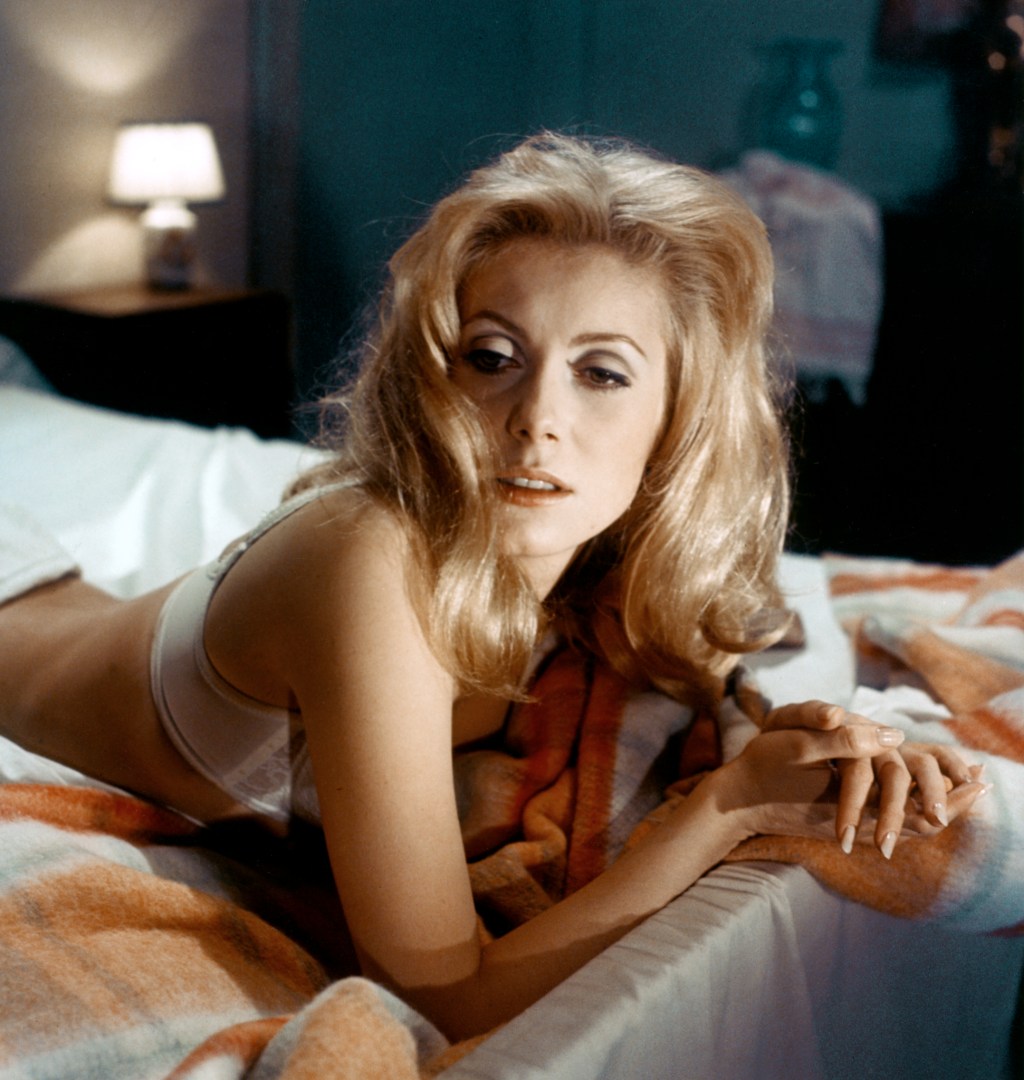
I think it’s safe to say most people have seen sex on screen. From bare breasts to full frontal genitalia, there is a lot to say about films that have sex in them, as to pornography with a well-plotted narrative. Simulated or not, sex is part of being human. Like each human relationship, films with different narratives and stances on style will treat sex and eroticism differently. We can thank the 1960s for liberating pornography into the mainstream through to the 1970s where films like Deep Throat became box office smash hits. Experimental artists like Andy Warhol explored film as a new art medium to explored sex and voyeurism, opening the doors to bondage, homosexuality, as well as other forms of pornography. Luis Buñuel’s Belle de Jour is one of my personal favourites from this time—and I think it liberates fantasies of sadism, masochism and bondage on screen. Made in 1967, this film explores a recently married virgin who, rather than consummating her marriage with her husband, leads a secret life as a prostitute working in a high-class brothel during the day.
In more recent years, films like Lars Von Trier’s Nymphomaniac Part I and II have made us question film as art, whether we are being brought to the attention on the subject matter of a sex addiction, or if the shock value is what is desirable about it. Abdellatif Kechiche’s Blue is the Warmest Colour also chooses to do this as well, but perhaps this is less shocking for some because it is a sexual relationship between two women being shown on screen explicitly. Pornhub recently published their most searched terms for their website, and for a few countries, particularly in the UK and in the USA, “lesbian” was the most popular to a majority of male subscribers. There is still a thing for MILFs and teens too, so not much has really changed.
In terms of cinema history and some theory, too, you could very well argue that eroticism on screen began with women being portrayed as a visual pleasure for the spectator. I’ve lost count of the number of times I have seen bare breasts on screen, but I’ve certainly seen more than naked men on screen. Some films like Bronson (2008) treat male nudity as a choice that the characters themselves have made that you don’t quite question why or how—other than for comedic value. Sex symbols like Jean Harlow, Marlene Dietrich and Marilyn Monroe rose to prominence for their presence on screen as well as talent. Male counterparts of the female sex symbol also exist. Actors like Brad Pitt, Ryan Gosling, Channing Tatum among many others are those that many women (and men) gush over. But that isn’t necessarily sex—it is more of a fantasy. What I mean is that we are introduced to up and coming stars who are not only talented, but attractive, and we are given the privilege to look at them topless, semi-naked, or thrusting a fellow actor on screen.
I think cinema today can say a lot about the society we live in. There has been a sense that even though we are in the 21st century, people are still tight-lipped about what they get up to behind closed doors—not a lot of people discuss sex openly and Andrew Haigh’s 2011 film Weekend articulates this idea beautifully—particularly when one of the main characters expresses how homosexual sex is treated as shameful, and it’s not talked about so much as heterosexual sex. However, films like The Living End (1992) and Law of Desire (1987) appropriate stereotypical attitudes to homosexuality. Both films are particularly funny, approaching subjects like the fear of AIDS and dysfunctional homosexual relationships that haven’t really been explored in mainstream cinema before. There are a lot of films that approach sex differently, and because sex is something so private to a lot of people, it can be uncomfortable for most to talk about – instead there are innuendos, corny jokes, and the occasional sharing of tips between on another. I feel that sex in film is a way to liberate this discomfort—visually experiencing something that feels familiar yet comparative. Perhaps that’s why 50 Shades of Grey has been so popular. Yes, we are so, so liberated.
 Nadia Cheung